Shluter Waterproofing Systems
Protecting Tile, Substrates, and Your Home from Moisture Damage
Waterproofing is one of the most critical components of any successful tile installation, especially in moisture-prone areas like showers, bathrooms, and wet rooms. While tile surfaces are often water-resistant, the layers beneath them—such as substrates, seams, and joints—are vulnerable to moisture intrusion if not properly protected. This is where integrated systems like those offered by Schluter® provide a comprehensive and reliable solution.
Rather than relying on a single product, Schluter® systems are designed as a complete waterproofing assembly, where each component works together to create a sealed, watertight environment. This approach not only protects the structure beneath the tile but also improves the overall longevity and performance of the installation.
Why Waterproofing Is Essential for Tile Installations
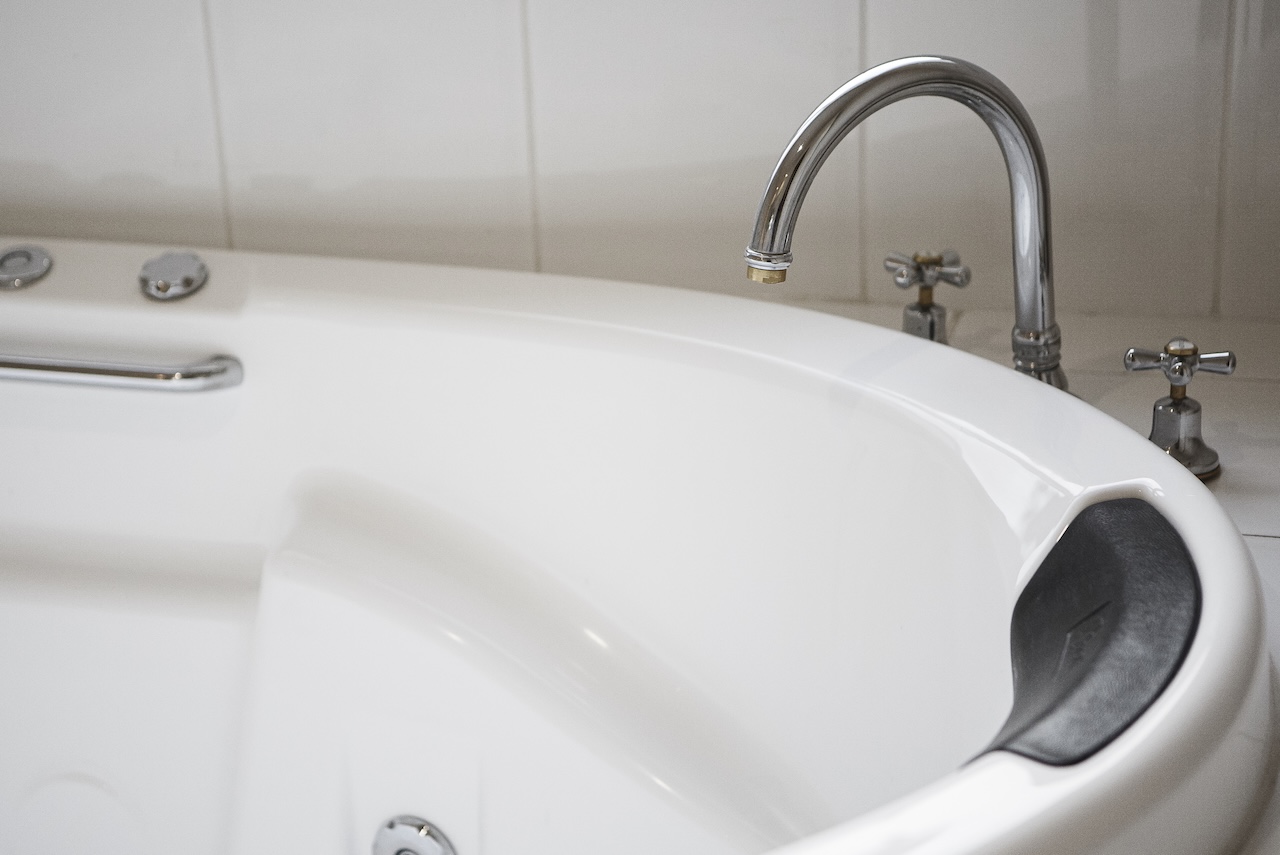
Tile is commonly used in areas exposed to moisture, including bathrooms, kitchens, laundry rooms, and outdoor spaces. While the tile surface may appear sealed, water can still penetrate through grout lines, seams, and edges if proper waterproofing measures are not in place.
Waterproofing helps:
- Prevent water from reaching the subfloor or wall structure
- Reduce the risk of mold and mildew growth
- Protect adhesives and bonding materials from deterioration
- Extend the overall lifespan of the tile installation
Without these protections, even a well-installed tile surface can fail prematurely due to hidden moisture damage.
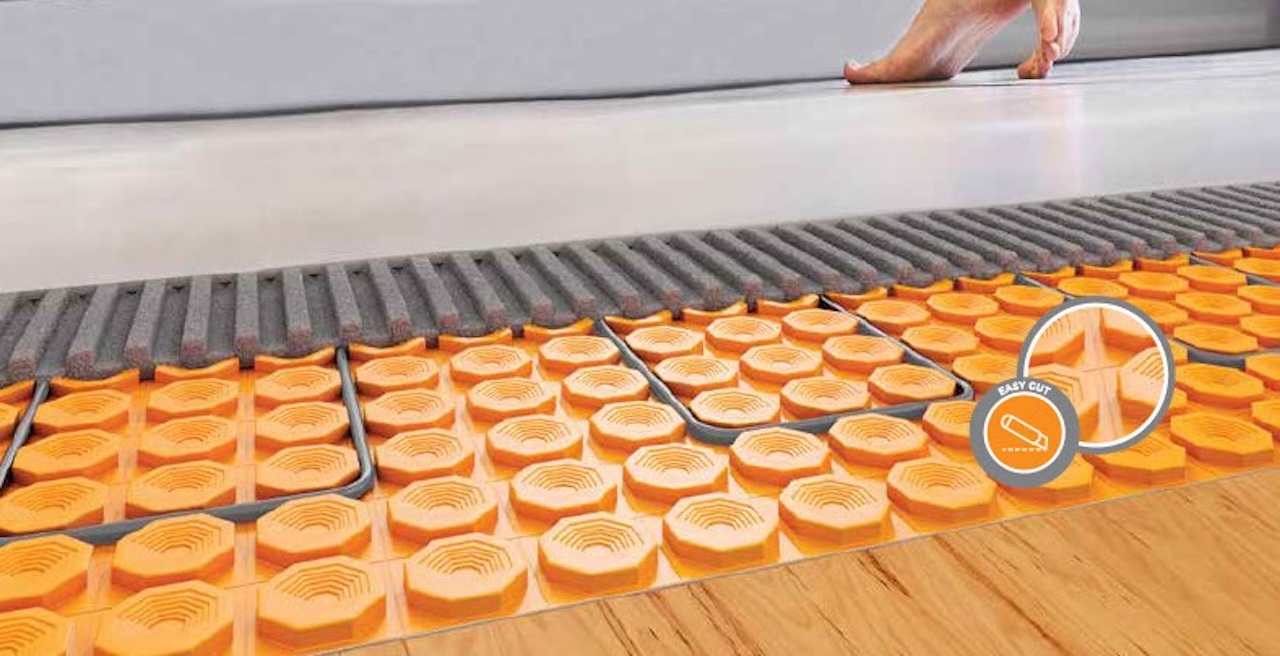
Common Areas That Require Waterproofing
Not all tile installations require the same level of waterproofing, but certain areas demand extra protection due to constant or heavy moisture exposure.
These include:
- Showers and tub surrounds, where water exposure is continuous
- Bathroom floors, especially around fixtures and plumbing
- Kitchen backsplashes and floors, where spills and humidity are common
In these environments, waterproofing is not just recommended—it is essential for long-term performance. The Schluter® Shower System is built as a fully integrated solution, combining multiple components that work together to eliminate the risk of water and vapor penetration. Unlike traditional methods that rely heavily on mortar beds and surface sealing, this system uses bonded waterproofing technology to create a consistent barrier directly beneath the tile layer.
Key components of the system include:
- KERDI waterproofing membrane: A sheet-applied polyethylene layer that acts as both a waterproofing barrier and vapor retarder
- KERDI-BAND: Used to seal seams, joints, and transitions between surfaces
- Prefabricated shower trays: Designed with proper slope for efficient drainage
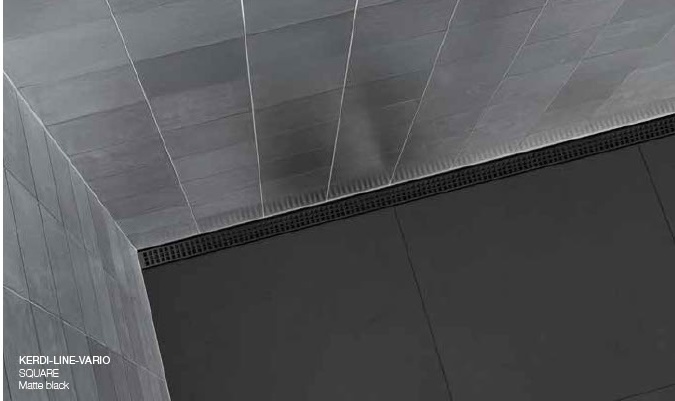
- Drain systems (KERDI-DRAIN / KERDI-LINE): Engineered to integrate seamlessly with the waterproofing layer
- Preformed corners and seals: Ensure vulnerable areas like edges and pipe penetrations remain watertight
Together, these elements form a bonded waterproof assembly that directs water toward the drain while preventing it from reaching the substrate below.
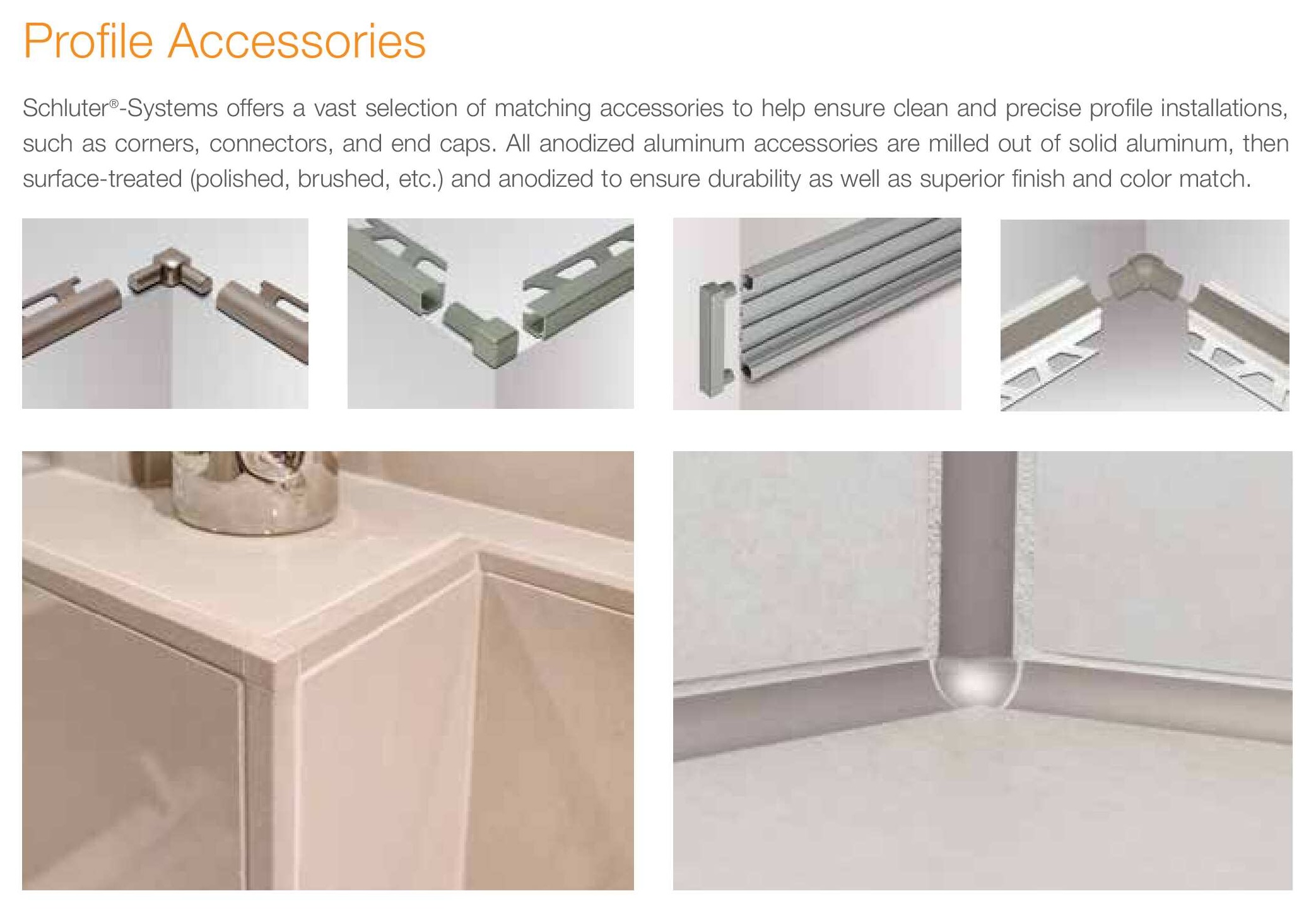
How Waterproofing Works Within the System
Investing in proper waterproofing provides long-term advantages that go beyond immediate protection. A well-executed waterproofing system helps preserve the structural integrity of the installation while maintaining its appearance and functionality.
Long-term benefits include:
- Reduced risk of costly repairs
- Improved durability and lifespan of tile surfaces
- Better resistance to mold and moisture-related damage
- Greater overall value and reliability of the installation
Unlike traditional installations where water can seep through layers before reaching a waterproof barrier, Schluter® systems place the waterproofing layer directly beneath the tile. This means that water is managed at the surface level rather than deep within the structure.
This design provides several advantages:
- Prevents water infiltration at the source
- Reduces drying time after use
- Minimizes the risk of mold and mildew growth
- Protects subfloors and wall assemblies from long-term damage
By controlling moisture at the surface, the system ensures that the entire tile assembly remains stable and protected over time.
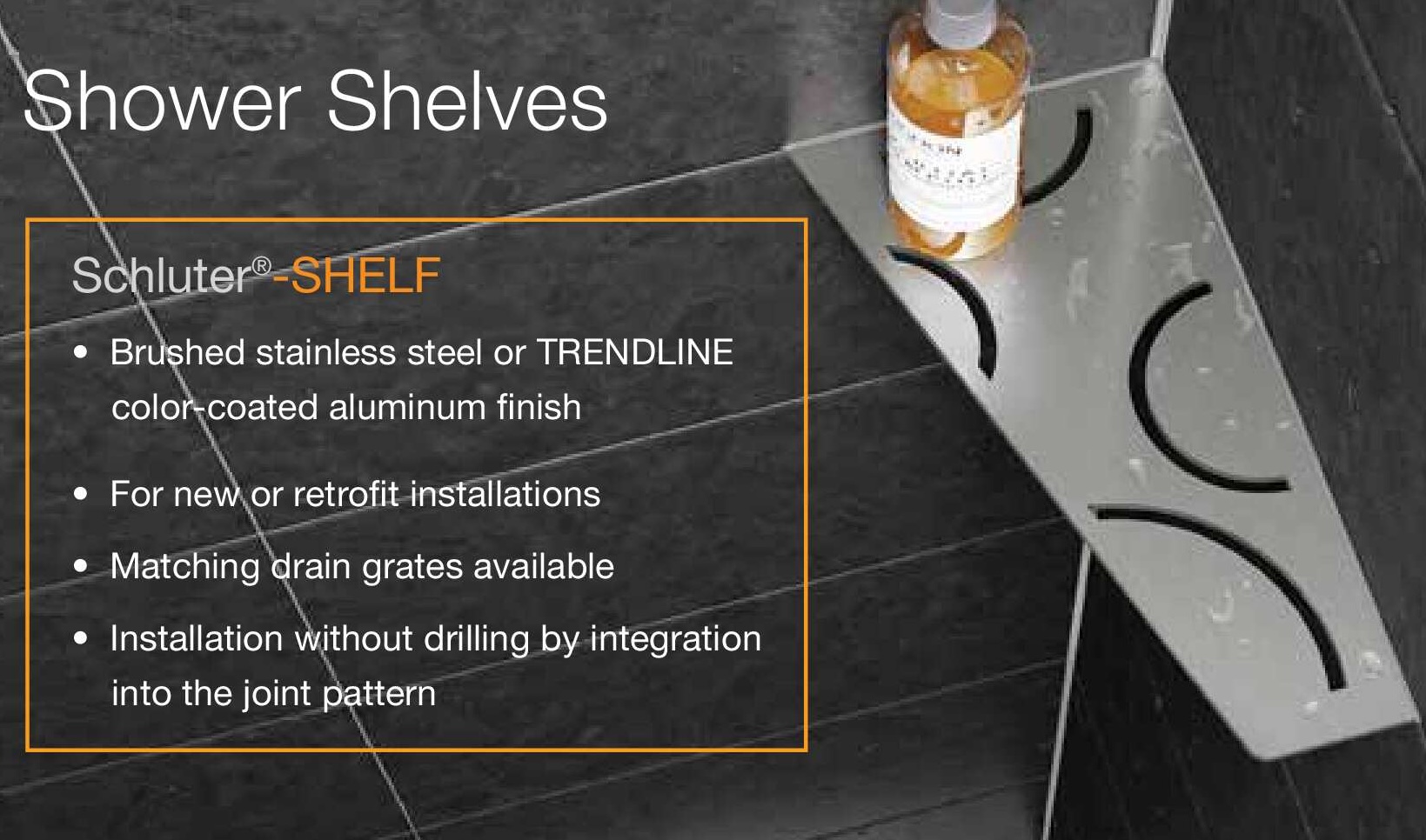

Here at Premier Flooring, we pride ourselves on the hard work we bring to the table and our dedication to seeing our customers satisfied.